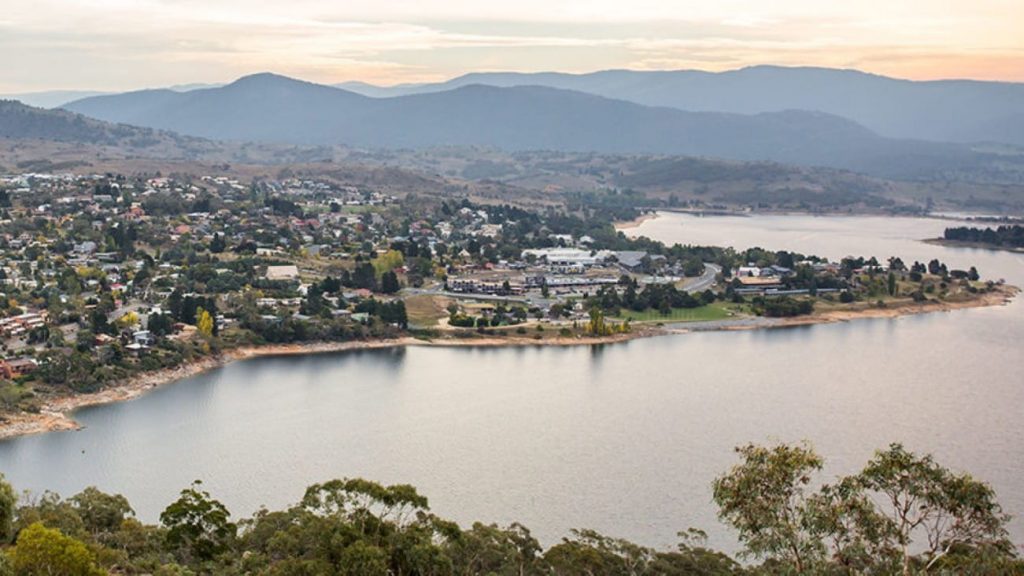
The Snowy Mountains do not stand still. In July, Jindabyne is a town of frosted windscreens, packed hire shops, and lines out the door of every café. By January, the same streets fill with lake swimmers, mountain bikers, and families who have never owned a ski jacket. Come April, the roads are quiet, the trees are gold, and the trout fishing on the Snowy River is at its annual peak.
The challenge for any traveller is that Jindabyne genuinely changes with every season. There is no single “best time” – only the best time for the trip you have in mind.
This guide delivers a season-by-season weather breakdown, a full 2026–2027 festival and events calendar, a month-by-month temperature reference table, and a practical packing guide. Use it to match the right season to your travel goals.
Best Time to Visit Jindabyne
The best time to visit Jindabyne is July to August for skiing and peak snow, and December to February for lake activities, hiking, and mountain biking. For fewer crowds and more competitive accommodation rates, the shoulder seasons – March to May and September to November – are the most underused and underrated options on the calendar.
| Season | Months | Avg. Temp | Crowd Level | Best For |
|---|---|---|---|---|
| Winter | June–August | −2°C to 9°C | High | Skiing, snowboarding, après-ski |
| Spring | September–November | 5°C to 17°C | Low–Moderate | Wildflowers, hiking, rafting |
| Summer | December–February | 20°C to 26°C | High | Lake activities, MTB, family stays |
| Autumn | March–May | 6°C to 18°C | Low | Foliage drives, fishing, cycling |
Winter in Jindabyne (June–August)
Winter temperatures in Jindabyne range from −2°C overnight to around 9°C during the day. July and August deliver the most reliable snowfall across the surrounding ranges.
Thredbo Resort and Perisher – Australia’s two largest ski resorts – sit within a 30-minute drive of town. Together they offer over 5,900 hectares of skiable terrain across interconnected resort areas.
For those who prefer to stay off groomed runs, backcountry ski touring, snowshoeing, winter horse riding, and ice fishing on Lake Jindabyne are available from town throughout the season.
Peak winter – particularly the NSW Winter School Holidays in July – books out months in advance. Book your accommodation before you confirm ski passes, lessons, or transport.
Winter Festivals & Events in Jindabyne 2026
- Ski Season Opening – June 2026: Perisher and Thredbo typically open in mid-June, subject to snow conditions. Confirm opening dates directly via Thredbo Resort and Perisher.
- Perisher Peak Festival – June 2026: Australia’s highest-altitude music festival, held at Perisher Valley.
- NSW Winter School Holidays – July 2026: The peak demand fortnight of the Snowy Mountains year.
- Snowtunes Music Festival – August 2026: Annual festival held in the Snowy Mountains region.
Looking for a warm base during ski season? Razorback 10, Mogul Lakeside, and Summit 14 are perennially popular winter stays – book early to avoid missing out.
Summer in Jindabyne (December–February)
Summer temperatures sit between 20°C and 26°C, with warm days and cool evenings. UV levels at altitude exceed those at sea level and late afternoon storms are common from January onward.
Lake Jindabyne is the natural anchor of the summer season. Kayaking, stand-up paddleboarding, wakeboarding, and sunset cruises all operate throughout December to February.
For those heading higher, the Kosciuszko Express Chairlift at Thredbo runs year-round, providing access to hiking trails around Mt Kosciuszko – Australia’s highest peak at 2,228 metres.
Late November and December bring wildflower season across Kosciuszko National Park. The sub-alpine meadows above the snowline fill with mountain gentian, alpine marsh marigold, and snow daisy – species endemic to the region.
Guided activities in summer include horse riding, fly fishing, and rock climbing with local operators. Summer is the most accessible season for families with young children, long daylight hours from December through February.
Summer Festivals & Events in Jindabyne 2026–2027
- Man From Snowy River Rodeo – December 2026: A regional fixture drawing competitors from across Australia.
- Australia Day Long Weekend – January 2027: One of the busiest weekends of the Snowy Mountains summer calendar.
- Lake Jindabyne Dragon Boat Challenge – February 2027: Annual event on the lake.
- Snowies MTB Festival – February 2027: A growing event for mountain biking, centred on the trails around Thredbo.
Wake up to lake views all summer long. Lakeshore Jindabyne and The Wolery Lakeside are ideal bases for water-focused summer stays.
Autumn in Jindabyne (March–May)
Autumn temperatures range from 6°C to 18°C. Days are crisp and clear, evenings cool quickly. By May, the peaks above town may carry early snowfall.
The Snowy River and Thredbo River reach their annual peak for trout fishing from March through May. Reduced angler pressure, lower water temperatures, and longer feeding windows make this the most productive fishing window of the year. For those who fly fish, this region in autumn is among the best in New South Wales.
Mountain biking conditions are also at their prime. The summer dust has settled, the heat has gone, and trails are drier than they will be in spring. The Thredbo Valley Track and surrounding routes reward riders who visit in April.
For scenic driving, the routes along Kosciuszko Road and through the Crackenback Valley offer some of the most distinctive foliage viewing in the state during late March and April.
Shoulder pricing in autumn makes the value case straightforward. Accommodation costs considerably less than in peak winter or summer.
Autumn Festivals & Events in Jindabyne 2026
- Snowy Classic Cycle Event – March 2026: A cycling event through the Snowy Mountains region.
- This Is Just A Tribute Festival – April 2026: A music tribute festival held in the region.
- Snowy Mountains Trout Festival – May 2026: An annual celebration of fly fishing in the Snowy Mountains.
Autumn is one of the best-kept secrets in Jindabyne. Properties like Camber Farmhouse and Little Rocky Retreat sit in their element under autumn colours – and are far easier to book than peak season.
Spring in Jindabyne (September–November)
Temperatures in spring range from 5°C to 17°C. September remains cool, with snow still possible at any elevation. October and November warm steadily, though mornings stay cold. Conditions can shift from a light snowfall at dawn to mild sunshine by mid-afternoon.
The wildflower season across Kosciuszko National Park begins in October and extends into November. Alpine ash, mountain gentian, and trigger plants carpet the meadows above the snowline.
Spring is also prime time for wildlife spotting in the national park. The mountain pygmy possum, corroboree frog, and eastern quoll all become more active as temperatures rise. For eco-travellers with a specific interest in endemic fauna, October and November offer conditions found in no other season.
For those who want active adventure, snowmelt in September and October brings the Snowy River to high water – the best whitewater rafting conditions of the year. During good snow years, Perisher and Thredbo sometimes extend their season into October, offering spring skiing that is slushy by midday and social throughout.
Spring is ideal for a spontaneous getaway. Browse our full range of best Jindabyne accommodation – many remain available on short notice throughout September to November.
Jindabyne Weather by Month
The table below provides a month-by-month reference for temperature, rainfall, snow potential, and crowd levels. Use it alongside your travel dates when planning specific activities.
Data sourced from the Bureau of Meteorology (BoM), Jindabyne/Thredbo station. Figures represent long-term averages.
| Month | Avg. High (°C) | Avg. Low (°C) | Rainfall | Snow Possible? | Crowd Level |
|---|---|---|---|---|---|
| January | 24 | 13 | Low | No | High |
| February | 24 | 13 | Low–Moderate | No | High |
| March | 20 | 10 | Moderate | No | Moderate |
| April | 15 | 6 | Moderate | No (peaks only) | Low–Moderate |
| May | 10 | 3 | Moderate | Yes (peaks) | Low |
| June | 8 | 1 | Moderate | Yes | Moderate |
| July | 7 | −1 | Low–Moderate | Yes | High |
| August | 9 | 0 | Low–Moderate | Yes | High |
| September | 12 | 3 | Moderate | Yes (possible) | Low–Moderate |
| October | 15 | 6 | Moderate | Unlikely | Low |
| November | 18 | 8 | Low–Moderate | No | Low–Moderate |
| December | 22 | 11 | Low | No | Moderate–High |
What to Pack for Jindabyne (By Season)
Winter Packing List
- Thermal base layers (top and bottom) – merino wool performs best in sustained cold
- Waterproof ski jacket and ski pants
- Snow boots with ankle support
- Beanie, gloves, and balaclava
- Snow chains – legally required on Alpine Way; carry them regardless of forecast
- Helmet and goggles for on-mountain activities
- Hand warmers for extended time outdoors
Summer Packing List
- SPF 50+ sunscreen – UV at altitude is higher than at sea level, even on overcast days
- Light layers for cool evenings
- Swimwear for lake activities
- Hiking shoes with grip for national park trails
- Insect repellent for walks into the national park
- A packable rain layer for afternoon storms from January onward
Autumn and Spring Packing List
Both shoulder seasons require a layering system. Morning and afternoon temperatures can differ by more than ten degrees on the same day.
- Waterproof outer jacket
- Mid-layer fleece or down vest
- Warm hat for evenings
- Sturdy trail shoes or ankle boots
- Sunscreen – UV remains high on clear shoulder-season days
One note specific to winter and early spring: snow chains are legally required on Alpine Way during snow conditions. This is not widely emphasised in travel content but carries real consequences – carry them in the boot from June through October.
FAQs
What is the best month to visit Jindabyne?
July and August are the best months for skiing and snow. January and February suit families and those centred on lake activities. March to May offer the best value – fewer crowds, lower prices, and foliage at its peak across the Snowy Mountains. The right month depends on what you are travelling for.
How cold does Jindabyne get in winter?
Overnight temperatures in July regularly drop below −5°C. Daytime averages sit around 7°C to 9°C. Wind chill on the mountain makes it feel considerably colder. Thermal base layers are essential from the moment you step outside, not just on the slopes.
Does it snow in Jindabyne town?
Snow falls in Jindabyne town occasionally, but it is not reliable. The surrounding ranges and the ski resorts at Thredbo and Perisher – both within a 30-minute drive – receive dependable snow from June through August. Most visitors use Jindabyne as a base and drive to the snow.
Is Jindabyne worth visiting in summer?
Yes. Lake Jindabyne, Thredbo’s summer hiking and mountain biking trails, guided activities, wildflower season, and a growing events calendar make Jindabyne a strong destination year-round. Summer is particularly well suited to families with young children and groups on corporate retreats.
How far is Jindabyne from Sydney?
Jindabyne is approximately 470 kilometres from Sydney – around 4.5 to 5 hours by car via the Federal Highway and Monaro Highway. The drive is direct in summer and autumn. In winter, allow additional time and carry snow chains for the final approach along Alpine Way.